How a roof insurance claim really goes, and where it stalls
The roof is the easy part. The claim is where months disappear, and it is usually the same three places.
September 16, 2026 · 4 min read
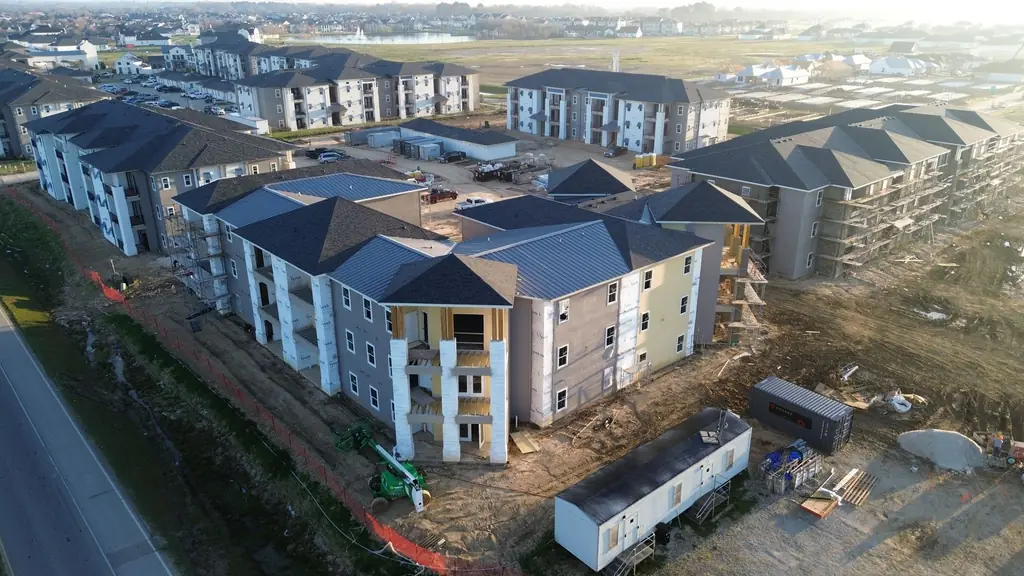
Cypress Roofing learned the insurance side of this trade the hard way. In early 2020 a hailstorm hit the West Baton Rouge area, and Louisiana went on to record thirty named storms that season, the most since 1851, including Category 4 Hurricane Laura. We spent months working around the clock and navigating claims directly on homeowners' behalf, and the pattern that emerged is worth writing down, because most people only ever do this once.
Nothing here is legal or policy advice, and no two policies are the same. This is simply what the process tends to look like from the contractor's side of it.
The sequence, in rough order
- The damage happens, often on a day when thousands of other roofs in the parish are damaged too
- You report the claim to your insurer and are given a claim number
- The insurer assigns an adjuster, who schedules a visit to the property
- The adjuster inspects and writes a scope of loss with an estimated cost
- You and your contractor review that scope against what is actually on the roof
- Differences are raised, documented and negotiated
- The claim is settled and the work is scheduled
Steps one to three can be fast. Steps four to six are where the months go.
Stall one: getting somebody on the roof
After a regional storm event, every adjuster in the state is triaging thousands of properties at once, and independent adjusters are brought in from out of state who do not know local construction. Scheduling slips. This is the stage where homeowners feel abandoned and, understandably, start making phone calls that do not help.
The thing that does help is documentation gathered immediately, while the evidence is still fresh, and a temporary repair that stops further damage. One of our customers had a branch go through the roof after a storm; a project manager was out the next morning to patch the hole temporarily, and the full crew came about four days later. That patch is not only about keeping rain out. It is also proof that you acted to mitigate, which matters later.
Stall two: the scope does not match the roof
This is the most common single point of failure, and it is rarely anybody acting in bad faith. An adjuster writes a scope based on what they observed in a limited visit. A roofer who is going to tear the roof off knows things the adjuster could not see: how the valleys are built, what the flashing detail at the chimney actually requires, whether the decking under a soft spot is going to need replacing, what the code requires when you re-cover rather than patch.
Resolving that difference is a documentation exercise, not an argument. Photographs, measurements, and a clear written explanation of why a line item is necessary rather than preferred. It is slow, it is detailed, and it is the single most valuable thing a contractor does for you in this whole process.
Stall three: the homeowner is the messenger
The version of this that drags on longest is when the homeowner is relaying technical information between a roofer and an adjuster who have never spoken to each other. Detail gets lost in every direction and nothing converges.
We work with all major insurance companies and handle the claims paperwork ourselves, including meeting the adjuster at the property so the two people who need to look at the same roof are standing on it at the same time. One customer described it simply: each step of the claim process was explained thoroughly and a Cypress representative worked well with their adjuster.
What a contractor cannot do
We are roofers, not public adjusters and not attorneys. We cannot tell you what your policy entitles you to, we cannot negotiate the claim as your legal representative, and anyone who promises to get your claim approved or offers to make your deductible disappear is telling you something you should walk away from.
What we can do is establish, document and communicate what the roof actually requires, in the language and the format the insurer works in, and then build it correctly once the claim settles.
If you are at the start of one
Report it promptly, photograph everything before anything is touched, keep a written note of every call with a date and a name, do not let anyone begin permanent repairs before the adjuster has seen it, and get a roofer involved early enough that they can be there when the adjuster is.
Cypress Roofing is at 13119 Airline Highway in Gonzales, licensed and insured under Louisiana Contractor License #75979. Free evaluations happen within 24 to 48 hours. Call (225) 238-6147.
Cypress Roofing, (225) 238-6147
Call (225) 238-6147More articles
How to read your own roof from the ground
By the time water comes through a ceiling, the roof has usually been telling you for a couple of seasons. Here is what it was saying.
What FORTIFIED roofing actually changes, edge by edge
Wind never lifts a roof from the middle. It finds an edge. FORTIFIED is written against that sequence.